
Boost Your Email Funnel Traffic with These Proven Strategies
Understanding Email Funnel Traffic
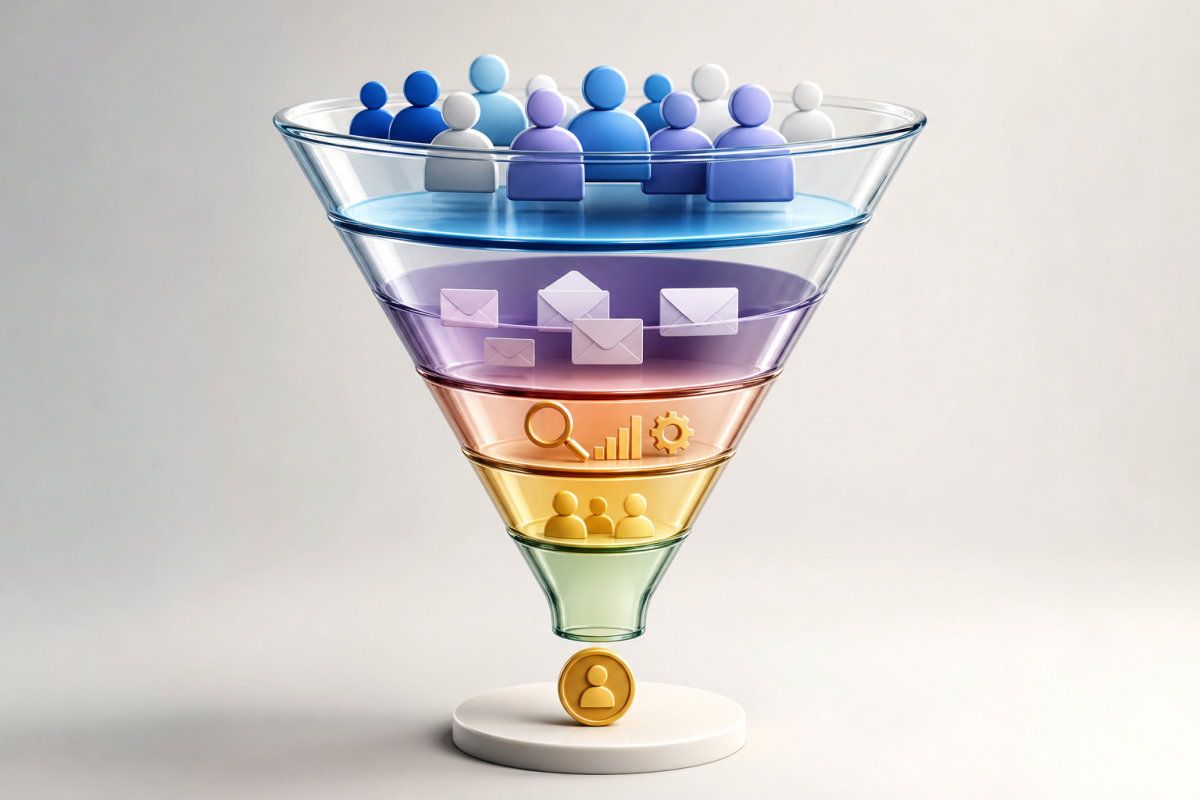
If you’re an internet marketer, you know that driving traffic to your email funnel is essential for converting leads into customers. But what exactly is email funnel traffic? Simply put, it’s the flow of potential customers entering your email marketing funnel, moving through various stages until they make a purchase. Increasing this traffic means more opportunities for conversion and revenue.
Strategies to Boost Your Email Funnel Traffic
1. Optimize Your Landing Pages
Landing pages are the entry points to your email funnel. Ensuring they are optimized is crucial. Use clear, compelling headlines, persuasive copy, and strong CTAs. According to HubSpot, businesses that optimize their landing pages see a 55% increase in leads.
Crafting Compelling Headlines
Your headline is the first thing visitors see—it should be engaging and directly related to the offer. Focus on clarity and value. A headline like “Unlock Exclusive Content: Subscribe Now” is both clear and enticing. Avoid vague or overly clever headlines that don’t immediately convey the benefit. Consider A/B testing different headlines to see which version resonates most with your audience.
Writing Persuasive Copy
The body of your landing page should expand on the headline, clearly explaining the benefits of subscribing to your email list. Use bullet points to break down information and make it easily scannable. Always address the visitor’s pain points and how your offer provides a solution. Incorporate testimonials or case studies to build trust and credibility.
Designing Strong Call-to-Actions (CTAs)
Your CTA is the gateway to your email funnel. It should stand out visually and use action-oriented language, like “Get Started” or “Claim Your Free Guide.” Test different colors and positions to see what drives the most conversions. Ensure that the CTA is not only visually appealing but also strategically placed to catch the visitor’s eye without being intrusive.
2. Leverage SEO for Increased Visibility
SEO is a powerful tool for driving organic traffic to your email funnel. By optimizing your content with relevant keywords, you can improve your search engine rankings. This increases the chances of potential customers finding your landing pages. Check out our detailed guide on Boost Your Email Funnel Traffic for more insights.
Conducting Keyword Research
Identify keywords that your target audience is searching for. Use tools like Google Keyword Planner or SEMrush to find relevant terms. Incorporate these keywords naturally into your content, including headlines, subheadings, and body text. Avoid keyword stuffing, as it can harm your SEO efforts and make your content less readable.
Optimizing On-Page Elements
Ensure that your landing pages have SEO-friendly elements. This includes meta titles and descriptions that accurately reflect the content, alt text for images, and URLs that include keywords. These elements help search engines understand and rank your pages. Regularly update these elements to reflect any changes in content or strategy.
Building Quality Backlinks
Backlinks from reputable sites can significantly boost your SEO. Reach out to industry blogs or websites to guest post, including a link to your landing page. Quality backlinks signal to search engines that your content is valuable and trustworthy. Host webinars or podcasts that industry influencers want to link back to, thus naturally gaining backlinks.
3. Utilize Social Media Platforms
Social media is not just for brand awareness; it’s a great channel for driving traffic to your email funnel. Share links to your landing pages and lead magnets on platforms like Facebook, Twitter, and LinkedIn. Engaging content and regular updates can attract more visitors.
Choosing the Right Platforms
Not all social media platforms are created equal. Determine where your audience spends their time. LinkedIn might be ideal for B2B, while Instagram could be better for B2C. Tailor your content and strategy to fit the platform’s strengths. Monitor engagement metrics on each platform to refine your strategy continually.
Creating Engaging Content
Post content that resonates with your audience. Use a mix of formats—videos, infographics, and articles. Encourage interaction through questions or polls. The more engagement your posts receive, the more visibility they will have. Analyze the performance of different content types to see what your audience prefers.
Utilizing Social Media Ads
Consider using paid social media ads to boost visibility. Platforms like Facebook and Instagram allow you to target specific demographics, interests, and behaviors. This precision targeting ensures your ads reach the most relevant audience. Track ad performance to optimize your campaigns for better ROI.
4. Master Solo Ads for Direct Traffic
Solo ads can provide a direct boost to your email funnel traffic. They target specific audiences who are more likely to be interested in your offerings. Learn how to maximize their impact in our article on Master Solo Ad Campaigns for Maximum Impact.
Choosing the Right Solo Ad Vendors
Research vendors who have a proven track record of successful solo ad campaigns. Look for reviews and testimonials. A reputable vendor will provide high-quality traffic that is more likely to convert. Ask potential vendors for case studies or references to verify their claims.
Crafting the Perfect Solo Ad
Your ad should be concise and compelling. Focus on the benefits and include a clear CTA. Make sure the landing page you direct traffic to is relevant to the ad content to avoid confusion and increase conversion rates. Test different versions of your ad to see which performs best.
Analyzing Solo Ad Performance
Track the performance of your solo ads by monitoring key metrics like click-through rates and conversions. Use this data to refine your approach, experimenting with different copy, offers, and vendors to improve results. Regularly review your campaigns and adjust based on performance data.
Analyzing and Improving Funnel Performance
1. Track Key Metrics
To understand how well your funnel is performing, track metrics such as open rates, click-through rates, and conversion rates. Tools like Google Analytics and email marketing software can provide valuable insights. According to Statista, the average email open rate across industries is 21.33%.
Using Analytics Tools
Set up Google Analytics to track user behavior on your landing pages. Use UTM parameters to see where your traffic is coming from. This data helps you understand which channels are most effective at driving traffic and conversions. Regularly check your analytics to identify trends and opportunities for improvement.
Interpreting Email Marketing Metrics
Your email marketing software can reveal open and click-through rates. Compare these metrics against industry benchmarks to gauge performance. A low open rate might suggest the need for better subject lines, while low click-through rates could indicate unengaging content. Continuously test and refine your email campaigns to improve these metrics.
2. A/B Testing for Better Results
A/B testing different elements of your emails and landing pages can help you determine what works best. Test subject lines, images, and CTAs to see which versions yield the highest engagement rates.

Setting Up A/B Tests
Choose one element to test at a time for clear results. For example, if you’re testing subject lines, keep the rest of the email constant. Use a 50/50 split to send each version to half of your audience. Analyze the data to determine the winner. Document your tests and results to build a knowledge base for future campaigns.
Common A/B Testing Mistakes
Avoid testing too many variables at once, as this can muddy results. Additionally, ensure you have a large enough sample size for statistically significant data. Testing periods should be long enough to account for variations in user behavior. Always base decisions on data rather than assumptions.
3. Segment Your Audience
Segmentation allows you to tailor your messages to specific audience groups. This increases relevance and engagement, leading to higher conversion rates. Segmented email campaigns have a 14.31% higher open rate than non-segmented campaigns (Mailchimp).
Creating Segments
Segment based on demographics, purchase history, or engagement levels. For example, new subscribers might receive a welcome series, while past customers could get product recommendations. Tailoring content to each segment’s interests increases effectiveness. Regularly update and refine segments to maintain relevance.
Maintaining Segment Relevance
Regularly review and update your segments as your audience evolves. Use insights from analytics to refine segments, ensuring they remain relevant and effective. This ongoing refinement helps maintain high engagement rates. Monitor the performance of each segment to identify opportunities for further segmentation.
Best source of solo ads online
Enhancing Your Funnel with Retargeting
Retargeting is an effective strategy to re-engage visitors who didn’t convert initially. By showing targeted ads to these prospects, you can encourage them to return and complete their purchase. Explore more in our article on 5 Ways Retargeting Saves Your Sales.
Setting Up Retargeting Campaigns
Use platforms like Google Ads or Facebook to set up retargeting campaigns. Install tracking pixels on your website to capture visitor data, allowing you to show ads to people who have previously interacted with your site. Regularly update your retargeting lists to include new visitors and remove those who have converted.
Creating Effective Retargeting Ads
Your ads should remind users of what they left behind. Use dynamic ads that display the exact products or services a user viewed. Offering discounts or incentives can also encourage return visits and conversions. Test different ad creatives and offers to optimize for the best performance.
Monitoring and Adjusting Retargeting Strategies
Continuously monitor the performance of your retargeting campaigns. Look for patterns in engagement and conversion rates. Adjust your strategies based on what’s working, tweaking ad creative and offers to improve results. Regularly review your retargeting goals to ensure they align with your overall marketing objectives.
Frequently Asked Questions
How can I increase traffic to my email funnel?
To increase traffic to your email funnel, optimize your landing pages, use compelling CTAs, and leverage social media and SEO strategies to drive more visitors.
What is the best way to measure email funnel success?
You can measure email funnel success by tracking key metrics like open rates, click-through rates, conversion rates, and the overall ROI of your campaigns.
Why is email funnel traffic important?
Email funnel traffic is crucial because it directly impacts your ability to convert leads into customers, thereby driving sales and business growth.
What are common mistakes in email funnel optimization?
Common mistakes include not segmenting your audience, using generic content, and failing to test and analyze email performance regularly.
Can social media help boost email funnel traffic?
Yes, social media can significantly boost email funnel traffic by promoting lead magnets, driving traffic to landing pages, and increasing brand awareness.
Conclusion
Boosting your email funnel traffic requires a multifaceted approach. By optimizing landing pages, leveraging SEO, utilizing social media, and employing solo ads, you can significantly enhance your funnel’s performance. Don’t forget to analyze your results and adapt your strategies accordingly. For further reading, explore our guide on improving your sales funnel.