How to Buy Solo Ads: A Complete Guide for Marketers
Why Buy Solo Ads?
Buying solo ads can be a highly effective way to drive targeted traffic to your website or offer. Unlike other forms of advertising, solo ads allow you to tap into established email lists, reaching potential customers directly in their inboxes. According to Statista, email marketing has an average return on investment (ROI) of $42 for every dollar spent. This makes it a powerful tool for marketers looking to maximize their ad spend.
Understanding Solo Ads
If you’re new to the concept, solo ads are essentially email advertisements sent to a vendor’s mailing list on your behalf. The key advantage is that you’re leveraging someone else’s established audience, which can save you time and resources compared to building your own list from scratch.
How to Choose the Right Vendor
Selecting the right solo ad vendor is crucial for success. Here are some tips to help you make the right choice:
- Research Vendor Reputation: Look for reviews and testimonials from other marketers. Sites like Udimi provide a platform to review vendors.
- Audience Relevance: Ensure the vendor’s audience aligns with your target market. A misaligned audience can lead to poor conversion rates.
- Test Small: Start with a small order to test the vendor’s effectiveness before committing to a larger campaign.
Best source of solo ads online

Crafting the Perfect Solo Ad
Once you’ve chosen a vendor, the next step is crafting your solo ad. Here are the components of a successful solo ad:
- Compelling Headline: Your headline should grab attention and make the reader want to learn more.
- Clear Call to Action (CTA): Be specific about what you want the reader to do next, whether it’s visiting your site or signing up for a newsletter.
- Concise Content: Keep your message short and to the point. Highlight the benefits of your offer and why it matters to the reader.
Maximizing Your ROI
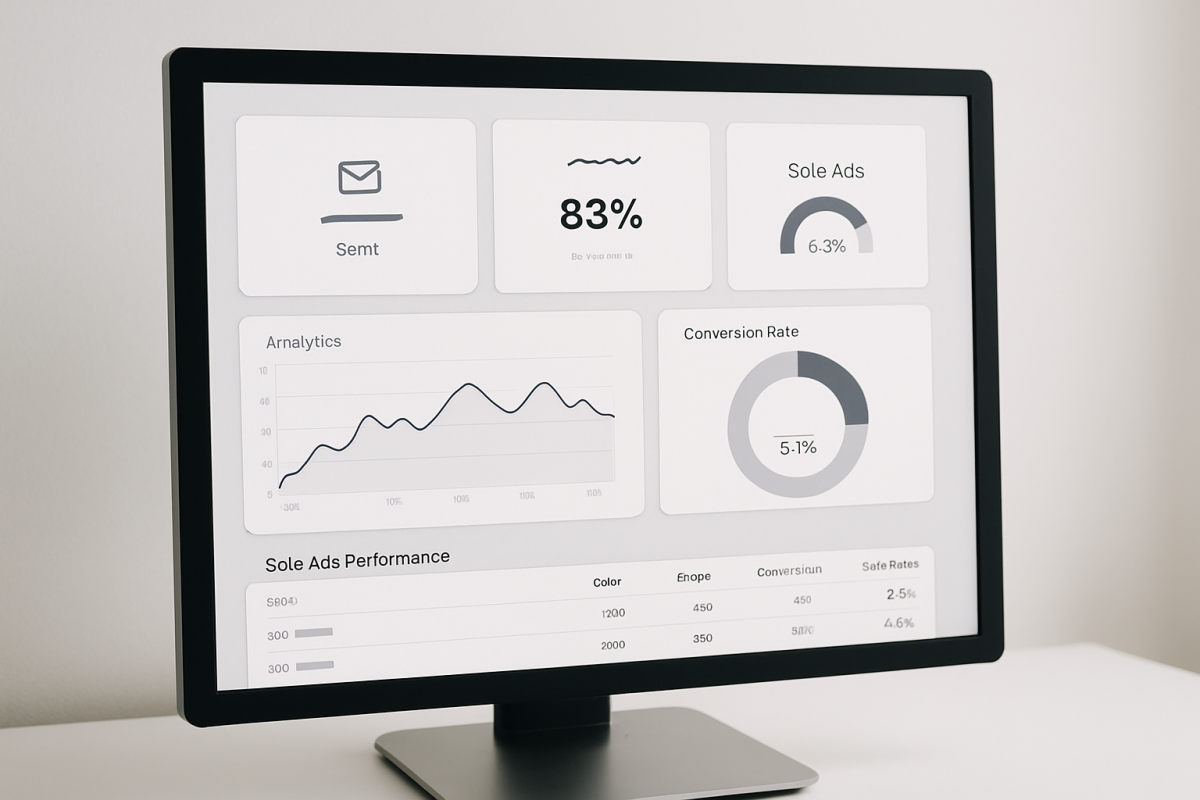
To ensure you’re getting the most out of your solo ads, track and analyze your results. Use tools like Google Analytics to monitor traffic, conversions, and overall engagement. According to HubSpot, companies that track their marketing strategies are 60% more likely to be successful.
Additionally, consider integrating retargeting strategies to capture potential leads who didn’t convert initially. Retargeting can increase conversion rates by up to 150%, as discussed in our post on retargeting strategies.
Common Mistakes to Avoid
Even experienced marketers can fall into common traps when buying solo ads. Here are mistakes to avoid:
- Ignoring Vendor Feedback: If a vendor has a history of poor reviews, consider it a red flag.
- Not Testing: Skipping the testing phase can lead to wasted resources on ineffective campaigns.
- Overlooking Audience Fit: Ensure the vendor’s list is relevant to your niche to avoid low engagement rates.
Frequently Asked Questions
What are solo ads?
Solo ads are email advertisements sent to a vendor’s mailing list, targeting a specific audience to promote your product or service.
How do I choose a solo ad vendor?
Look for vendors with good reviews, transparent pricing, and a relevant audience for your niche. Test with small orders before scaling.
Are solo ads effective for all businesses?
Solo ads are most effective for online businesses that rely on email marketing and have well-defined target audiences.
How much do solo ads typically cost?
The cost of solo ads varies based on the vendor and the size of the audience, but typically ranges from $0.35 to $1 per click.
What should I include in my solo ad?
Include a compelling headline, clear call to action, and a concise description of the offer to grab attention and drive conversions.
Conclusion
Buying solo ads can significantly boost your marketing efforts by providing access to a targeted audience with minimal effort. Remember to research vendors, craft compelling ads, and track your results to maximize ROI. For more strategies on enhancing your email marketing efforts, check out our guide on boosting email marketing traffic.